 By
By 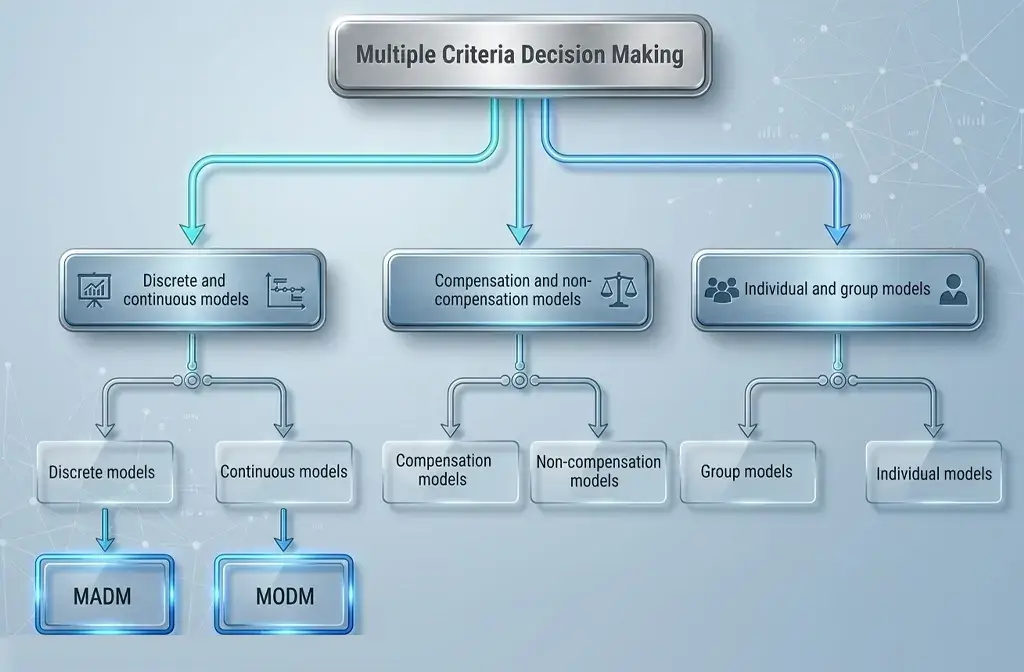
One of the most critical tasks in hospital management is to ensure the correct nurse is at the right patient’s bedside in modern health care environments. If the assignment is not successful, it can lead to a higher workload, lower patient satisfaction, and even patient safety issues. That’s why healthcare organisations are increasingly turning to decision making models in nursing to enhance nurse-patient matching and the quality of care.
No longer are nurse-patient assignments based solely on availability or experience. Currently, hospitals take into account various factors, including the condition of the patient, the abilities of the nurse, the distribution of the workload, emotional stress, and ethical issues. Multiple Criteria Decision Models (MCDMs) are used to assist healthcare professionals in making fair, organised and evidence-based decisions.
This blog will discuss how these models operate, their importance in the nursing field, and how they enhance patient care and staff effectiveness.
Understanding Multiple Criteria Decision Models in Nursing
Multiple Criteria Decision Models are organized decision making techniques considering various criteria. In the nursing field, these models assist decision-makers and healthcare staff in allocating nurses based on patient requirements, nurse skills, and hospital objectives.
The MCDMs are different from the traditional approach, which works only for a handful of variables. This helps to ensure that the assignment is more balanced and accurate.
Common factors that are taken into account are:
- Patient severity level
- Nurse qualifications
- Workload distribution
- Shift duration
- Emotional and physical fatigue
- Communication skills
- Ethical responsibilities
- Department requirements
Due to their ability to enable safer and more efficient care for patients, these systems are now incorporated into the clinical decision making models in nursing.
The Importance of Nurse-Patient Assignment
The nurse-patient assignment process has a direct impact on health care quality. If an assignment is not balanced, the nurse could suffer from burnout, and the patient may not receive the care they need or as quickly as they would like.
This can be helped by a well-designed assignment system:
- Improve patient outcomes
- Reduce nurse stress
- Increase job satisfaction
- Improve teamwork
- Lower medical errors
- Enhance hospital efficiency
Today, hospitals know that randomising patients is not a good idea. Advanced models of decision making in nursing are becoming common in healthcare, as they help to make better staffing decisions.
Examples of Criteria Used in Nurse-Patient Assignment
Different criteria are used by the various departments of the healthcare industry, depending on the kind of patients treated. The following are some of the frequent elements taken into consideration while considering assignments.
Patient Acuity Level
Those who have serious diseases need more attention and experienced nurses. Acuity scoring systems aid in determining the level of care for a patient.
Nurse Skill and Experience
If critical patients require support, an experienced ICU nurse might not be able to work with general care patients.
Workload Balance
Managers should ensure that one nurse does not have too many tasks, while another is having less.
Communication and Teamwork
Good communication skills are required, particularly in Intensive Care and Emergency Units. That is why psychology is important in nursing.
Emotional and Mental Stress
In modern hospitals, the nurses’ fatigue and emotional exhaustion are also taken into account before they are assigned to anything that would be challenging.
These factors are all components of good decision making models in nursing practice.
How Multiple Criteria Decision Models Work
MCDMs take a step-wise approach which supports informed decision-making for leaders in healthcare.
Step 1: Identify the Problem
The first step is to identify staffing or assignment issues. For instance, if a hospital is experiencing burnout among nurses or increased patient complaints.
Step 2: Criteria are Defined
The hospital then identifies factors that are most important for assignment decisions.
Step 3: Assign Importance to Each Criterion
All criteria are not created equal. Safety of the patient is typically a top priority.
Step 4: Assess the Availability of Nurses
Nurses are assessed based on their experience, workload, specialisation, and performance.
Step 5: Make the Assignment
The system recommends the best nurse-patient matches.
This structured method enhances the clinical decision making models in nursing and increases the fairness of the healthcare systems.
Popular Decision-Making Models Used in Nursing
The decision making process varies from one healthcare organisation to another based on their requirements.
Analytical Decision Making Model in Nursing

In nursing, the analytical decision making model is based on measurable criteria, data, and logic. Managers gather data, evaluate options and choose the best assignment.
This model is successful in the following applications:
- Intensive care units
- Emergency departments
- Surgical wards
- High Risk Patient Care Areas
Advantages include:
- Reduced errors
- Better workload balance
- Improved transparency
But sometimes analytical models need more time as they involve detailed data collection.
Intuitive Decision Making Model in Nursing

Nursing intuitive decision making is based on experience and professional judgment. Senior nurses frequently have intuitive judgments that they have gained from years of experience in clinical practice.
For instance, if the patient is critical, an experienced charge nurse can identify which nurse is able to take care of the patient without reading the details. Also, they play a major role in health education.
Benefits include:
- Faster decisions
- Useful during emergencies
- Provides fast patient care
However, intuition can be different among people, and at times, it can be biased.
Shared Decision Making Model in Nursing
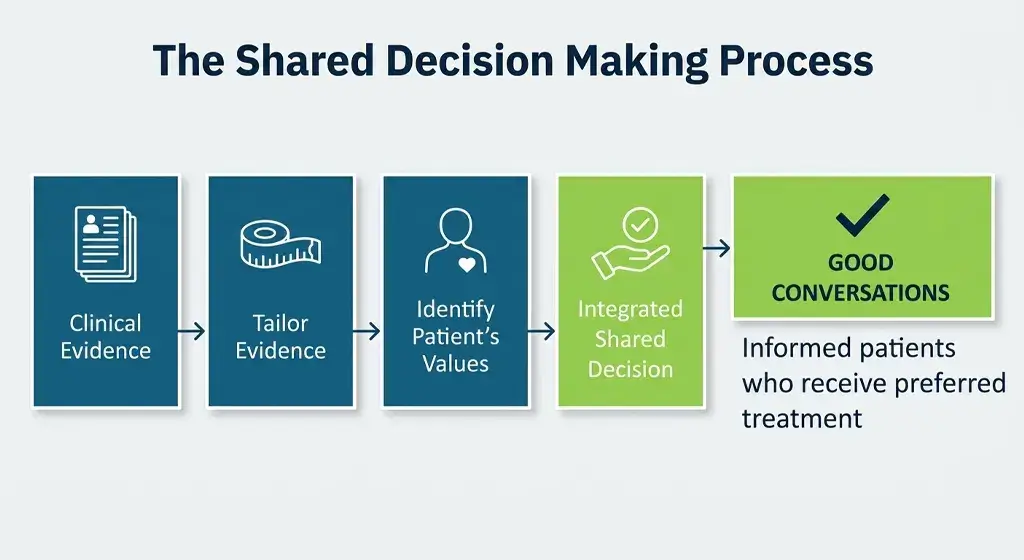
Shared decision making is a nursing model which relies on the cooperation of the healthcare staff, patients and families.
When assigning a patient to a nurse, this might involve:
- Discussing patient preferences
- Considering cultural needs
- Respecting communication styles
- Including team feedback
This model enhances patient trust and satisfaction as patients feel heard and respected.
Hospitals that employ collaborative strategies tend to have better nurse-to-patient relationships.
Ethical Decision Making Model in Nursing
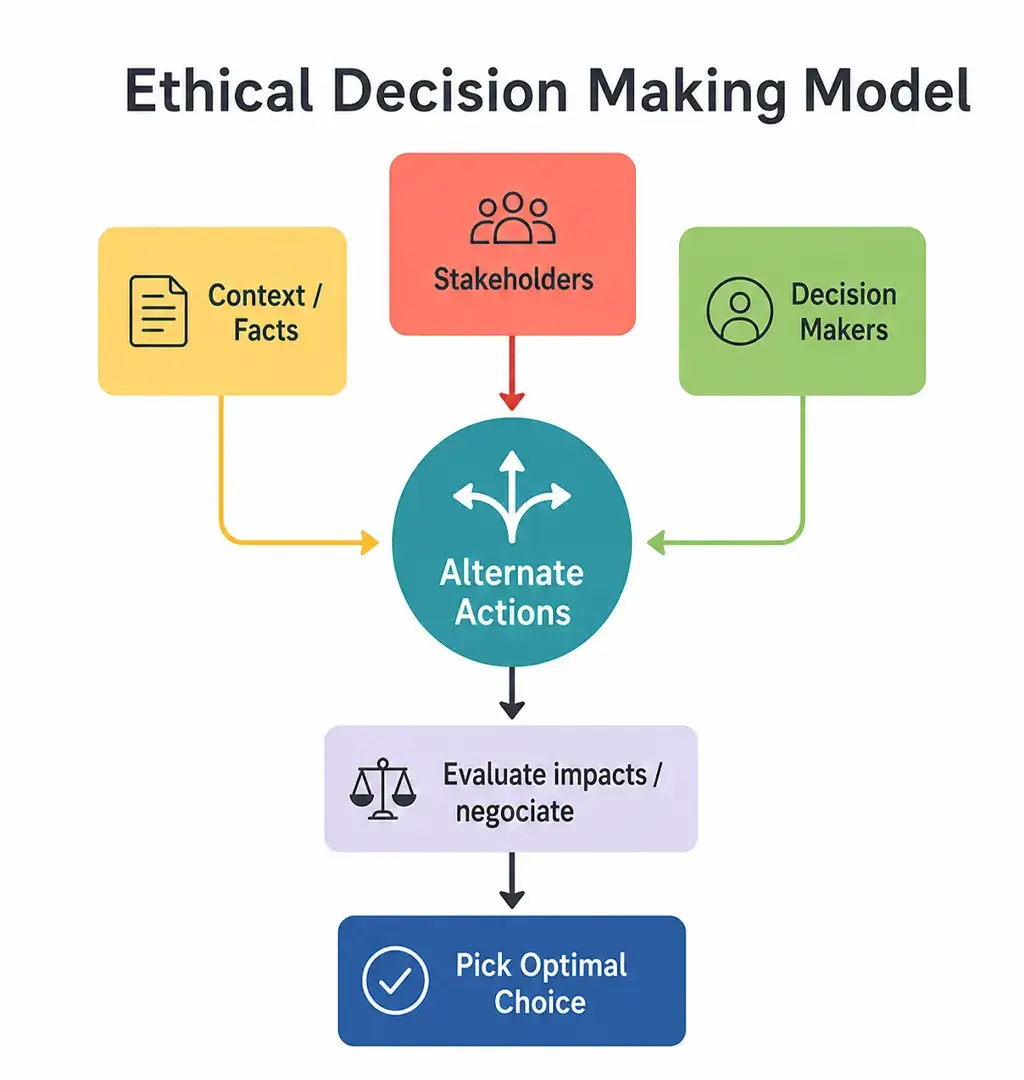
The ethical model of decision making in nursing is based on fairness, respecting patients’ dignity and ethics for the nurse.
Ethical issues are raised when:
- Staffing shortages occur
- The critical patients are monitored intensively.
- The workload of nurses is unsafe.
- There are resource constraints that impact the quality of care that is provided.
Ethical decision making makes sure that assignments are fair and patient-centred.
Healthcare leaders need to think about:
- Equality
- Patient rights
- Nurse safety
- Professional responsibility
Ethical models are particularly significant in times of healthcare crises and emergencies.
Benefits of Multiple Criteria Decision Models
Structured decision systems are a valuable tool for healthcare organisations.
Improved Patient Safety
Assignments help to minimise medical errors and monitor effectively.
Better Nurse Satisfaction
A well-balanced workload makes nurses feel supported and valued.
Reduced Burnout
If assignments are equitable, nurses will not become emotionally drained.
Higher Efficiency
Working staff can be more effective in the hospital, and there are no delays in patient care.
Stronger Team Collaboration
Simple assignment systems prevent work environment conflicts and confusion.
That’s why decision making models in nursing are becoming increasingly relevant in the world.
Complete your Nursing Degree With Distinction!
Nursing Assignment Writers UK is now offering a one-stop academic solution for nursing students.

Challenges of Using Multiple Criteria Decision Models
While these systems have numerous benefits, they also have some drawbacks.
Data Collection Difficulties
Up-to-date and correct information is required for the effective use of hospitals.
Resistance to Change
There are some traditional approaches to assignments that some health care providers may prefer.
Time Requirements
It may take time to develop a good model.
Technology Costs
It might require a considerable amount of investment in advanced software systems.
Despite these obstacles, most healthcare businesses see that the advantages of using a healthcare ERP system far outweigh the difficulties.
Final Words
Multiple Criteria Decision Models are revolutionising the nurse-patient assignment problem in hospitals. By simultaneously evaluating multiple factors, these systems can assist healthcare organisations in making more informed, equitable, and secure staffing decisions.
Each decision making model in nursing, such as the analytical decision making model in nursing and the ethical decision making model in nursing, has its own strengths in relation to patient care and nurse satisfaction. Advanced decision making models in nursing will become increasingly commonplace in hospitals as healthcare technology advances, ensuring a balanced workload, less employee burnout, and better patient care.
Finally, assigning nurses to patients is not a one-dimensional issue of staffing. It’s about getting the right care, at the right time, from the right nurse for every patient.
FAQs
1. What are Multiple Criteria Decision Models in nursing?
Multiple Criteria Decision Model systems are systems that consider several factors prior to making nursing patient assignments or clinical decisions.
2. What is the importance of decision making models in nursing?
They are used for better patient safety, decreased nurse burnout and balanced workloads.
3. What is the Analytical Decision Making Model in Nursing?
It is a data-driven, evidence-based, and fact-based approach to decision-making in healthcare.
4. What is the nursing’s intuition decision making model?
This model is based on the experience and intuition of the professional for making fast decisions in clinical situations.
5. What is the working of the shared decision making model in nursing?
It is a partnership approach between nurses, patients, families and other health care teams in care planning and decision making.
6. What is the ethical decision making model of the nursing profession?
It is concerned with fairness, patient rights and professional ethics when making health care decisions.
7. In what ways is technology used to aid with nurse-patient assignment?
Technological solutions can be used to gain better insight into patient information, nurse workload and staffing levels to better assign staff to patients.
8. What are the most significant problems within the nurse/patient assignment process?
Staffing, burnout, data management, and ensuring patient needs are met are common issues.
9. Do nurse decision-making models mitigate nurse burnout?
Yes. Fair and balanced assignments can help to reduce stress and enhance nurse job satisfaction.
10. Are decision-making models used in all hospitals?
Although there are various approaches to structured decision making, systems are more prevalent in larger healthcare organisations.