 By
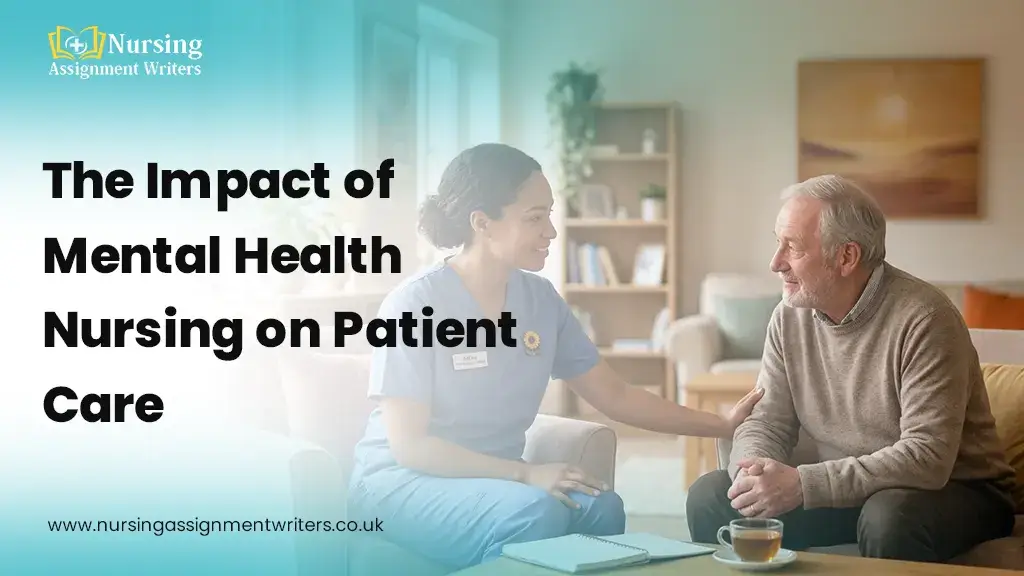
By The role of a mental health nurse is to assist and help people who have mental illness or emotional distress.
These mental health nurses have every generalist nurse training. Together with them, they have additional training in a wide range of mental illnesses and disorders.
This implies that they have the ability to assess a patient’s whole physical and mental safety and suggest a path towards safety.
In addition, mental health care is a fundamental pillar of whole-patient care. Once you adopt a comprehensive approach, as a healthcare provider, you will more easily tackle the vast interconnectedness of the mind and body.
As a result, this integration raises the standard of care, leads to better clinical results and a higher quality of life for every patient.
Whether you are a nursing student, a healthcare provider, or a policy maker who wants to learn mental health nursing in detail, this guide is for you.
What is Mental Health Nursing?
Psychiatric nursing is also called mental health nursing. It is basically a specialised area of nursing concerned with the care of patients undergoing psychological discomfort, mental health issues, or psychiatric diseases.
Moreover, the field has a broad scope: mental health nurses work in hospitals, community clinics, and residential centers.
Whereas a crisis intervention team can help patients with everything from a bout of brief anxiety and despair to serious illnesses like schizophrenia or bipolar disorder.
Hence, mental health in nursing is a holistic discipline that believes the mind and body are intimately unified.
What Does A Mental Health Nurse Do?
Evaluation and Diagnosis
The role of a mental health nurse does more than check vitals. They analyse a patient’s mental condition. This includes interviewing patients, observing behaviour, and assessing risk factors.
Example: A nurse may have an organised technique to assess a patient who presents with severe depression to assess their risk of self-harm. They may pay special attention to behavioural clues, speech patterns and cognitive state to help create an appropriate clinical diagnosis.
Development of Care Plan
Now, what a what a mental health nurse does is create an assessment. Once an assessment is complete, these nurses produce personalised, evidence-based treatment and coping strategies.
The nurse caring for the client with severe withdrawal from alcohol works with the physicians and therapists.
After that, nurses establish a plan of care that includes particular schedules for detoxification, fluid management, nutritional support, and immediate counselling goals.
Therapeutic Communication
This is the basic tool of a mental health nurse UK. Therapeutic communication is a purposeful, evidence-based process and differs from a normal discussion. In addition, it is a great tool for building trust, de-escalating tension, and assisting patients in processing difficult trauma.
Example: Use of active listening and open-ended language. Can you describe what you feel just before the panic attacks start? So, as an alternative, write a closed “yes or no” query. Let the patient safely explore their triggers.
Importance of Mental Health in Nursing
You cannot repair the body without healing the mind. Physical health and mental health are interwoven.
The mental condition of a patient determines how fast and how well the patient will recover after being admitted to a healthcare center for physical injuries.
Hence, the importance of mental health in nursing cannot be ignored.
- The Mind Body Connection: Patients with chronic physical illnesses such as diabetes or heart disease are often afflicted with significant anxiety or sadness. If you ignore that psychological distress by a general nurse, it considerably retards the physical healing of the patient.
- Overall Patient Outcomes: Reduced hospital readmissions by identifying mental health issues. Patients are far more likely to adhere to their treatment plans and medication regimes when they get home if nurses address the underlying anxiety or stress connected with physical diseases.
- Compassionate Care Beyond Labels: Overcoming Stigmas by Integrating psychiatric and mental health nursing and awareness Across All Nursing Sectors. This means that each person is treated as a full person, not merely a collection of physical symptoms or a diagnostic label on a chart.
Mental Health Nursing Training
Getting a specialised mental health nursing degree is crucial to pursuing a career in mental health nursing.
However, there are certain things you need to remember about the field: the qualifications for mental health are totally different from those for standard nursing degrees.
A standard mental health degree will not qualify you for a specialised one. So, you have to get training in mental health nursing.
Luckily for you as a UK student, there are more than 122 universities that provide mental health degrees.
Before you enroll in a program, make sure it is approved by the NMC (Nursing and Midwifery Council). And you have to make sure it is eligible for practice like a registered nurse.
Training in Mental Health Nursing
Here is the training in mental health nursing needed to become a mental health nurse.
1. Pathway
To become a specialised mental health nurse, you have to finish a BSc (Hons) Mental Health Nursing. It is a 3-year degree or a degree internship.
2. Minimum Entry
The minimum degree you require is GCSEs, 5 grades 4 C or above. Like English, Maths and A-levels.
3. Critical Step
Now you need to register with the Nursing and Midwifery Council (NMC) after graduating to practice as a Registered Mental Health Nurse (RMN).
4. Starting Salary
The starting salary of a registered mental health nurse is around £29,000 to £31,000 (NHS Band 5)
5. Finance
There are tons of student Loans available and non-repayable assistance from the NHS Learning Support Fund (LSF). These are an annual Training Grant of at least £5,000.
So, you have to try to get it; you will save a lot of money.
6. Career Potential
Having great mental health nursing skills can get you Tons of great opportunities for progression into specialist roles once you have done your mental health program.
For example, CAMHS, Crisis Teams, management (Ward Manager) and advanced practice (Advanced Clinical Practitioner or Nurse Consultant).
Mental Health Nurse Qualifications
If you are keen on thinking about how to become a certified mental health nurse, here are the key steps you must follow.
Crucial Requirements
You must complete an NMC-approved pre-registration program to practice lawfully. The main and mental health nursing degree entry requirements are as follows.
- Academic Requirements: Generally, you require two to three A-Levels (usually requiring a health or science topic) in addition to five GCSEs (grades 9 to 4/A* to C), which include English, maths and science. BTEC Level 3 or Access to HE Diplomas are accepted as alternative admission points.
- The Degree: A typical three-year full-time Bachelor of Mental Health Nursing degree consists of 50% supervise clinical assignments and 50% university theory.
- Postgraduate Route: You can enroll in an accelerated 2-year mental health nursing postgraduate degree or change to a master’s study if you already have a relevant degree (such as in social work or psychology).
- Background Checks: Every applicant must pass an occupational health screening and a Disclosure and Barring Service (DBS) check.
Essential Skills
To become a specialised mental health nurse, you have to develop interpersonal and psychological nursing skills. These are necessary for mental health nursing, including:
- Empathy and Active Listening: Knowing complicated emotional responses without passing judgement.
- De-escalation & Deeper Calm: The ability to maintain composure, reason, and serenity in high-stress crisis situations.
- Observation and judgement: You must classify how to minute behavioural changes to evaluate risk and safely modify treatment programs.
How to Begin
Here are some useful tips to get you started in your career in mental health.
- Get Experience: To improve your university application, work as a healthcare assistant or volunteer with mental health groups.
- Select Your Pathway: Applicants must apply directly through NHS Jobs for a 4-year Registered Nurse Degree Apprenticeship (RNDA), which enables you to earn a salary while studying with covered tuition. You can also apply through UCAS for a regular university degree.
- Register: Finally, if you want to obtain your professional licence and start practicing after graduation, properly register with the NMC.
Mental Health Nursing Course
Mental health nursing courses are 3 to 4-year undergraduate degree programs. It is equal to an honours-level 8 degrees.
This degree will prepare you to become a registered Psychiatric nurse. Moreover, a mental health nursing course typically combines theory with practical, hands-on clinical placements.
Mental Health Nursing Degree Requirements:
Here are the main course requirements, and the course structure is as follows.
- Duration- A course is usually a 4-year program, mostly in the UK and Ireland.
- Clinical placements- You must obtain 50% of your time in hospitals, community mental health centers and residential facilities.
- Core modules: While studying a program, you will take many courses, such as psychology, behavioral therapy, pharmacology, and And you will learn how to create therapeutic connections with service users.
Entry Requirements
The entry requirements for becoming a registered mental health nurse are as follows.
- CAO Points: You will need to obtain 250-300 CAO points. But that is totally dependent on the university and yearly demand.
- General Subjects- The minimum requirements of nursing courses comprise Irish, English, Maths and lab science. And you also have to take two recognised subjects.
- Extra evaluations- To enter the nursing course, you must pass a healthcare screening and a Garda Vetting, which means a background check.
Do you still need help and are unable to find an affordable course that fits your budget?
Connect our team of the best and most experienced tutors. We offer quality courses at a reasonable price. Plus, we provide flexibility that works around a full-time job and commitment.

How Can Nurses Promote Good Mental Health?
Mental Health nurses boost patient outcomes by creating trusting therapeutic connections. And they as well deliver adopted psychosocial interventions and make sure medication adherence.
Here are the key ways nurses promote good mental health.
1. Early Screening and Evaluation
Mental health screening in the UK is the process of identifying persons who may be at risk or suffering from mental health problems.
Mental health screenings are not as common as physical health screenings. Yet they are important for early intervention and support.
Nurses can help promote mental health by performing routine screenings and assessments for mental health issues.
They can recognize potential problems early and take appropriate action. And they also refer to professional mental health treatments when required.
2. Creating A Therapeutic Setting
A therapeutic setting is essential for people who have mental health issues. Nurses can play a crucial role in promoting mental well-being.
Moreover, they offer a safe, sympathetic, and non-judgmental environment for patients to express their ideas and feelings.
3. Health Education and Empowerment
Nurses can participate in health education programs to raise awareness of mental health and reduce stigma.
They also teach patients about mental health, coping skills, and resources to empower patients to take control of their mental health.
4. Implementation of Mental Health Promotion Programs
Nurses can take an active role in establishing and implementing mental health promotion programs in healthcare settings and communities.
These programs might range from stress management to resilience building and coping skills.
Education might involve discussing symptoms of mental health conditions, resources, and fostering dialogue.
5. Collaborative Care and Interdisciplinary Approach
Working with other healthcare specialists, such as psychiatrists, psychologists, and social workers, is important for full mental health care.
Nurses can be active in coordinating care and ensuring patients receive holistic assistance.
6. Promoting Mindfulness and Self-Care Activities
For Patients and Nurses, nurses themselves can model such practices and encourage patients to do the same.
They do that by counting mindfulness exercises and self-care strategies in their own daily routines.
7. Support Groups and Peer Therapy
To end, nurses set up support groups and offer peer therapy to help folks feel a sense of belonging and validation.
Nurses are crucial to leading these sessions and advising on how to achieve excellent mental health outcomes.
Why Study Mental Health Nursing?
A career in mental health nursing education in the UK is an offer to join one of the most effective, emotionally fulfilling and dynamic sectors in modern healthcare.
Top Reasons to Opt for Mental Health Nursing
Creating a Meaningful, Life-Changing Difference
In this career, you are dealing with people at their most vulnerable times. Your therapeutic interventions, your empathy, and your presence do more than treat a sickness. Plus, they restore dignity and hope.
- Be a Voice for the Vulnerable: You become an important voice for people who are struggling with the profound societal stigmas associated with psychiatric disorders.
- The Joy of True Recovery: There are few things more rewarding in a professional life as seeing a patient transition. From an intense psychological crisis back to a life of independence and security.
Global Demand and Great Career Stability
Never before has there been a better moment to be in the field of mental health awareness. And there has never been a greater worldwide need for qualified psychiatric practitioners.
- Varied Work Environments: This field provides access to a range of settings. Such as acute crisis wards, community clinics, forensic units, child and adolescent mental health services (CAMHS), and rehabilitation institutions.
- Fast-track career development: As you develop your skills, you can progress quickly into specialised professions. You can become an Advanced Nurse Practitioner (ANP), clinical researcher, hospital manager or university professor.
Developing a Well-Rounded, Advanced Skill Set
Mental health nursing develops a specific set of psychological, emotional and physical skills. Plus, it will give you the versatility of a high-calibre healthcare practitioner.
- Advanced Knowledge of Human Behavioral Science. You will advance academically in pharmacology, psychology, neuroscience, and cognitive-behavioral
- Crisis De-escalation Skills: You gain the unusual capacity to stay calm, analytical and reassuring in high-stress, uncertain environments.
What Makes This Career Unique
The Power of Therapeutic Relationships
In traditional nursing, there is a heavy reliance on rapid technical processes. In mental health nursing, the main healing tool is the therapeutic partnership.
You use your communication skills, active listening, and psychological frameworks to build deep trust, helping patients understand their triggers and navigate complex emotional trauma over time.
Emphasis on Holistic Well-Being
To end with, mental health nurses recognize that the mind and body cannot be separated. You will be trained in the physical, social, emotional and spiritual aspects of a patient’s life.
In addition, you have to make sure they get holistic care that addresses the underlying reasons for their pain. And you are not just concealing the symptoms.
Key Factors Behind the Decline in Nurse Mental Health
Nursing is one of the most cognitively demanding careers today, with so many high-priority tasks.
Here are the common reasons for mental health problems among nurses:
1. Working Long Hours, No Rest
As a large segment of the US population enters their retirement years. So the number of registered nurses working in hospitals is shrinking.
The outcome is short-staffed hospitals and overworked nurses. Nurses who work overtime have been found to have higher levels of stress.
2. Psychological Distress
One of the most enjoyable aspects of healthcare is witnessing individuals recover from serious health problems.
However, for nurses working in critical or palliative care units, it can be highly stressful to observe high death and low recovery rates in patients.
There are plenty of life threating injuries, belligerent patients, and end-of-life decisions that can be damaging to nurses’ mental health and safety.
3. Cognitive Overload
Cognitive overload refers to the surplus of information given to nursing professionals about their mental capabilities.
When given too much information, the human brain cannot sustain itself in consuming and processing crucial facts.
On the flip side, nurses are often overwhelmed trying to care for patients while processing the vast amounts of data they receive from numerous sources.
4. Inadequate Communication
Effective communication and collaboration are the core of a nurse’s work. These are very important for every nurse.
Healthcare, however, is full of fragmented communication and subpar instruments that negatively impact patient care and nurses’ mental well-being.
Future Directions for Mental Health Nursing
Psychiatric Healthcare is evolving rapidly, and the door is opening to intriguing developments.
Mental health nursing is shifting from episodic, hospital-based care to proactive, tech-driven. Plus, it uses highly personalized approaches to long-term care.
These are the main future directions and suggestions that will guide the development of this important field:
1. Digital Therapeutics and AI Integration
The mental health nurse of the future will not rely solely on traditional sessions. Or they will not have in-person sessions to manage patients. Moreover, they will have to co-manage patients using digital tools.
This involves tracking data from biometric-informed wearable equipment that measures real-time stress indicators (e.g., heart rate variability). Also, they are employing specialized, clinically supervised AI platforms to provide continuous assistance in between consultations.
2. Precision Psychiatry & Biomarkers
Mental health nursing is moving away from a general chemical imbalance concept toward precision medicine.
Pharmacogenomic testing will be used more and more by nurses to predict how a patient metabolizes medications.
In order to create exact prescription regimens and prevent uncomfortable trial-and-error periods.
3. Hospital care Decentralization
A movement toward community and holistic prevention, the future will involve integrating credentialed psychiatric nurses. The field will cover primary care clinics, schools and workplaces to identify symptoms early.
On the other hand, the gut-brain axis is going to be a major clinical emphasis, too, with focused nutrition and traditional psychotherapy.
Hence, these are the future directions, and now you understand why mental health is important in nursing profession. Also, for your career growth.
Remember, change is essential in any field, as for mental health in nursing, it is a dynamic field. You have to stay updated and adapt to the trends.
Ending Thoughts
In the field of healthcare, mental health nursing plays an important role by combining the mind. And, as well, the body needs to improve the results for patients.
Plus, it is a community-centered approach to care, with enhanced digital treatments. Precision medicine is becoming increasingly dominant in the profession.
Furthermore, these expert nurses will continue to dismantle the stigmas that are prevalent in society.
They provide individuals with holistic care that can completely transform their lives when they need it most.
Once you enroll in a psychiatric nurse course, or even a degree, you will have a lot of chances.
Frequently Asked Questions
1. What makes a mental health nurse different from a regular nurse?
General nurses work primarily with physical diseases, wounds, and bodily stability. While mental health nurses concentrate on psychological well-being, behavioral challenges and psychiatric disorders. General nurses employ medical procedures. Whereas Mental health nurses use a lot of therapeutic communication and behavioral therapies.
2. What are the entry requirements for a mental health nursing degree in the UK?
Normally, you require five GCSEs at grades 9 to 4 (A* to C), including English, Maths and a Science subject. You will also require two to three A-Levels (often including a health or science subject). Or equivalent qualifications such as a BTEC Level 3 or an Access to HE Diploma.
3. How long does it take to train as a mental health nurse in the UK?
A regular three-year full-time Bachelor of Science (BSc Hons) undergraduate degree in mental health nursing. If you choose the postgraduate route and have a relevant degree in an area such as psychology. Then you can do an accelerated master’s conversion course in two years.
4. Does my nursing degree need to be accredited by a certain body to practice?
Yes, of course, before you start any UK mental health nursing programme, you must make sure it is fully NMC-certified. You cannot work lawfully as a registered nurse unless you have completed an NMC-approved course.
5. What is the starting salary for a mental health nurse in the NHS?
The fresher salary of a qualified registered mental health nurse (RMN) generally begins at NHS Band 5. With an entry-level wage of between £29,000 and £31,000.
6. Are there any financial benefits for students of UK mental health nursing?
Yes, there are tons of perks to becoming a mental health nurse. UK students can get non-repayable help from the NHS Learning Support Fund (LSF). This includes a compulsory annual Training Grant of at least £5,000 to support your studies.
7. How do mental health nurses promote positive wellbeing outside of clinical wards?
Nurses promote mental health through early screening and by developing safe, therapeutic, and nonjudgmental environments. Plus, they promote community health education programs to decrease stigma and peer therapy support groups.
8. What are the main causes of mental health problems and burnout in nurses?
Nurses experience high stress due to long working hours and staffing shortages. And they suffer psychological pain in a critical or palliative care setting, and cognitive overload. From processing large amounts of data to communication breakdowns at work.
9: How do mental health nurses directly improve patient care and recovery?
Mental health nurses provide quality care to patients by offering emotional support and empathy. By using continuous clinical assessment, crisis intervention and medication management, mental health nurses boost patient care and recovery.
10: What is the difference between a mental health nurse and a general psychiatrist in patient care?
While a mental health nurse primarily focuses on the holistic care of patients, and delivery of care.