
 By
By When it comes to social sciences, healthcare, education or business studies, many students don’t know which methodology is best suited for their research. Qualitative research methods can assist students in gathering detailed information, examining human experiences and gaining a deeper understanding of complex issues.
Qualitative methods are concerned with opinions, behaviours, emotions and experiences, rather than numerical research. These approaches are helpful if the researcher wishes to gain insight into why people think or behave in a particular way. Choosing the appropriate type of qualitative research methods can have a huge impact on the quality of your research, whether you are conducting interviews, focus groups, or observations.
So, in this blog, we will talk about the five helpful tips for deciding which qualitative approach is best for your topic.
It also includes key points, examples and common pitfalls that students should avoid during the research process.
What Are Qualitative Research Methods?
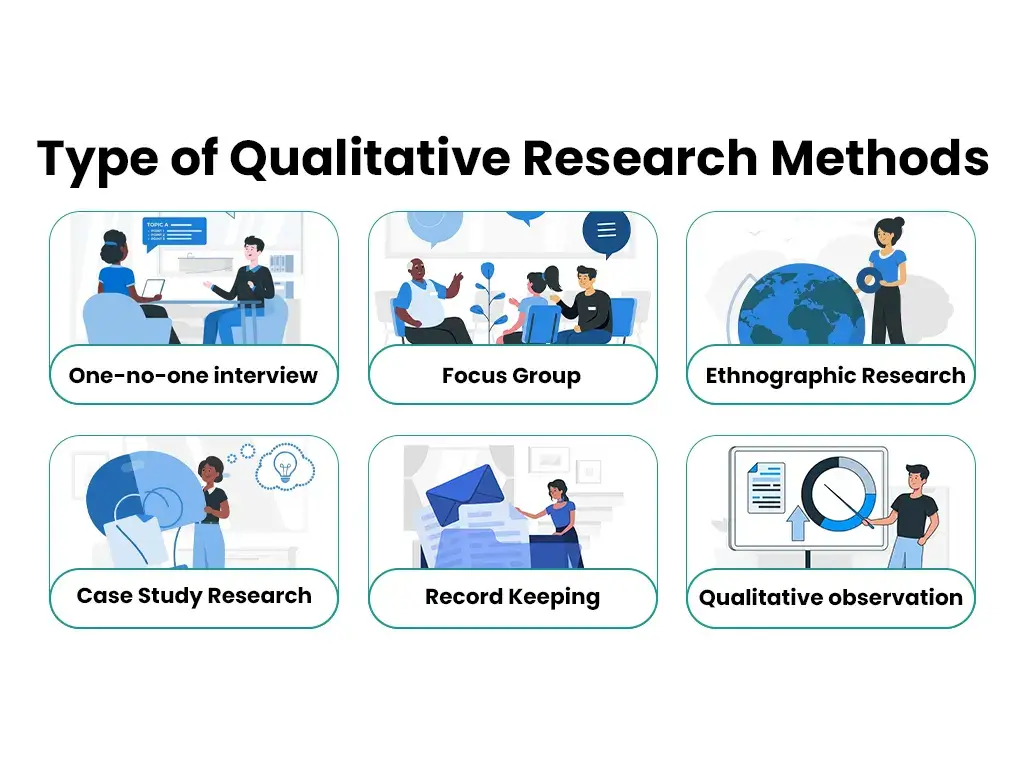
It is essential to understand the meaning of qualitative research before choosing the best qualitative research method. Qualitative research is a type of research that deals with non-numeric data. Researchers employ detailed information collection techniques—including conversations, observations, and open-ended responses, rather than statistics or large surveys.
Some common qualitative methods are:
- Interviews
- Focus groups
- Case studies
- Observations
- Content analysis
These methods help researchers understand attitudes, beliefs, motivations, and personal experiences.
For instance, interviews could be used to find out the experiences of patients in hospitals rather than numerical questionnaires.
On the other hand, if a writer is composing a nursing dissertation, they might opt for qualitative interviews to gain insight into how nurses respond to stress in the workplace.
Why Choosing the Right Qualitative Method Matters?
Choosing the appropriate research method is frequently the key to their success. An inappropriate method can result in poor results and vague conclusions.
When you select the right one, you’ll be able to:
- Collect relevant information
- Be able to answer the research questions effectively
- Improve data quality
- Increase research credibility
- Develop a greater appreciation of human behaviour
5 Ways to Choose the Right Qualitative Research Methods
There are various ways to conduct research. The method that is effective in psychology may not be the best one for use in marketing or healthcare research.
1. Understand the Nature of Your Research Topic
The first step towards choosing qualitative methods is to have a clear understanding of the topic. The choice should be based on your research aim.
Identify What You Want to Explore
Ask yourself:
- Are you studying personal experiences?
- Want to know Emotions or opinions?
- Are you investigating behaviours and social interactions?
Interviews might be more suitable if your topic is about experiences. For analysing group discussions or social behaviour, focus groups might be more suitable.
Example
A research topic such as:
“How do students cope with stress in the nursing profession?”
Interviews would be helpful for students to provide details of their experiences since they are firsthand.
On the other hand, a topic such as:
“How do staff members communicate in collaborative work projects?”
May benefit from observations or focus groups.
Consider the Depth of Information Needed
Detailed emotional responses are required for some topics, and basic opinions for others. Qualitative methods are best suited when detailed explanations are required.
For example, in studies of mental health, trauma, discrimination or healthcare experiences, the advantages of using qualitative methods to research sensitive topics are evident. People usually find it easier to talk about personal issues in an interview than they do to complete a survey.
2. Match Your Research Questions With the Method
Your research questions are a big part of the equation when it comes to the best way.
Open-Ended Questions Need Qualitative Methods
Qualitative research is most suited to questions that ask “how”, “why” and “what”.
Examples include:
- Why do students have difficulties learning online?
- What are the experiences of patients when they have a long hospital stay?
- What influences workers’ motivation in the workplace?
A detailed answer, not just statistics, is required on these questions.
Select the most appropriate method for collecting the data.
Qualitative approaches are used to answer various kinds of questions.
Interviews
Best for:
- Personal experiences
- Emotional responses
- Individual perspectives
Best for:
- Group discussions
- Shared experiences
- Comparing opinions
Observations
Best for:
- Behaviour analysis
- Real-life interactions
- Within the workplace or in a classroom.
Case Studies
Best for:
- A detailed study of a subject or organisation
Having a research question and applying the appropriate method enhances the quality and clarity of research.
3. Identify Your Target Audience
The choice of your research method can be very dependent on your participants.
Think About Accessibility
Ask yourself:
- Are there any restrictions for the participants to attend interviews?
- Do they feel free to express themselves?
- Would Internet techniques be more effective?
For instance, healthcare practitioners might not have a lot of time for lengthy interviews. For such instances, smaller focus groups or online conversations might be more feasible
Worried About Choosing the Right Qualitative Research Method?
Hire Nursing Assignment Writers Right Now and Ease your Research journey!

Consider Participant Comfort
There are topics of research that are sensitive or emotional. This is where use of qualitative methods in specific research topics in certain research topics became essential.
For example:
- Mental health studies
- Nursing research
- Domestic violence research
- Patient care experiences
One-on-one interviews are sometimes preferred by participants as they offer privacy and confidentiality.
Qualitative interviews can also be conducted to gain insights into the experiences of students learning about healthcare education, which can be included in the research during the search for the “cheapest university in UK for nursing“.
4. Compare Quantitative and Qualitative Approaches
A lot of students get confused about the difference between Qualitative and Quantitative research. Knowing the distinction will assist you in making decisions about research.
Qualitative vs Quantitative Research
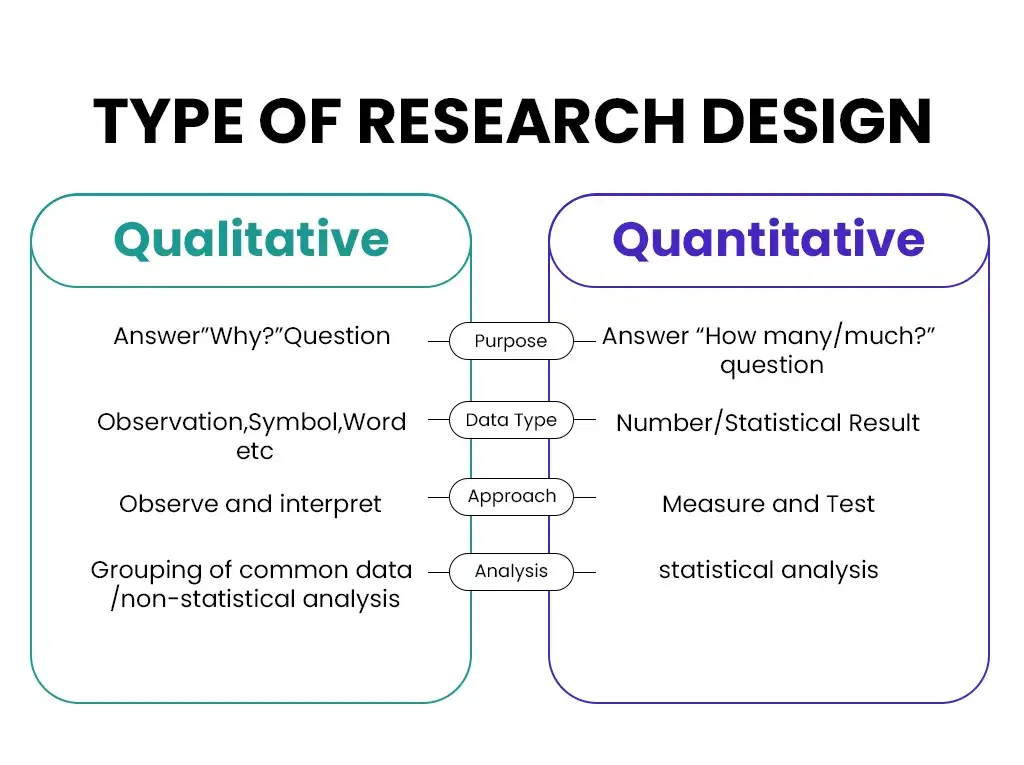
Quantitative Research
- Interpret and apply numbers and statistics
- Uses measurable data
- Works well for large samples
Qualitative Research
- Uses words and experiences
- Is aware of emotions and meanings
- Good for understanding things in detail
In some instances, students use both methods simultaneously in a study. This is referred to as mixed-method research.
There are many research areas where quantitative and qualitative methods research topics can be included in the study, because it is very useful to have experience in addition to the statistical results.
Example
A study on the health system might:
- Make use of surveys to gather numerical data
- Interview to know the patient’s feelings
This pairing offers more comprehensive and in-depth results.
5. Read and Analyse Previous Research and Literature
A good way to decide on the appropriate qualitative method is to read previous research.
Analyse Similar Studies
Search for:
- Journal articles
- Dissertations
- Research papers
- Published case studies
Notice how researchers conducted their research on similar topics.
For example:
- Interviews are commonly employed in nursing studies.
- Use of focus groups in education research.
- Observations for business studies can occur.
A literature review will enable you to find effective ways and prevent research pitfalls.
Identify and Understand Gaps in Existing Research
Competitor analysis and literature search can be used to identify gaps in existing research. Rather than copying, find ways to improve upon existing methods.
You may notice:
- Small sample sizes
- Limited participant diversity
- Lack of detailed interviews
These gaps can help focus your own research strategy and develop more robust findings. You can also hire expert Nursing assignment writers to help you in choosing the right topic.
Final Words
Choosing appropriate qualitative research methods is crucial for generating useful and valid research results. The approach taken will depend on your research topic, aims, participants and the type of information you are seeking. Knowing your research objectives, reading current research and taking into account participant comfort, you can then make an informed decision about what is the appropriate qualitative approach for your project.
Qualitative methods offer the advantage of gaining deeper insight into human experiences and perspectives in exploring healthcare experiences, education challenges, or social behaviours. Students are able to effectively utilise qualitative research to support their academic writing and generate meaningful results when appropriately planned and researched for a clear purpose.
Frequently Asked Questions
1. What are the techniques used in qualitative research?
Qualitative research methods are techniques in gathering data that do not rely on numbers but instead come from opinion, experience, behaviour and emotions in the form of interviews, observations and discussions.
2. Why is it important to have qualitative methods?
They can reveal such deeper meanings, motivations, and human experiences that cannot be fully understood from numerical data.
3. What is the most popular qualitative research methods?
One of the most popular qualitative techniques used is the interview, which can give detailed insights and personal views.
4. Can qualitative research include numbers?
The qualitative research primarily analyses words and experiences, although some research may provide a small amount of numerical data for additional context.
5. What are some ideas for qualitative research?
Examples include:
- Patient experiences in hospitals
- Student stress management
- Workplace communication
- Consumer behaviour
6. When is it appropriate to use qualitative research?
Qualitative methods are appropriate when the topic requires detailed explanations, emotion, opinion and behaviour analysis.
7. What is the difference between qualitative and quantitative research?
Qualitative research is used to examine experiences and meanings; quantitative research is used to examine numerical data and statistics.
8. Do qualitative methods fit into the field of nursing research?
Qualitative methods in nursing and healthcare studies are indeed commonly employed, as they enable a deeper understanding and analysis of patient experiences and challenges within the healthcare context.